
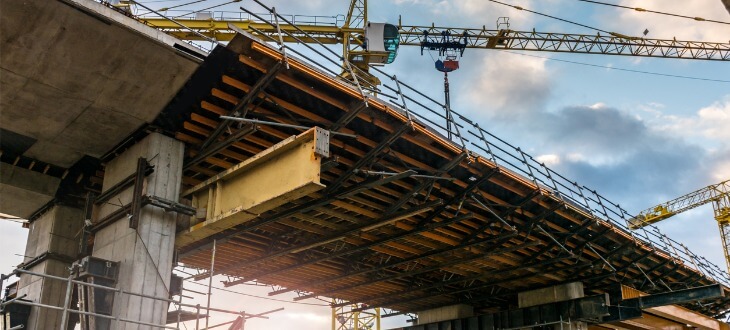
Fiber Reinforced Polymer (FRP) rebar is one of the most significant advances in modern construction and engineering. This high-performance material offers a compelling alternative to traditional steel rebar, with the potential to improve durability, reduce long-term costs, and extend the service life of nearly any reinforced concrete structure. Below is an in-depth look at the most important FRP rebar uses that builders and engineers are leveraging across today’s industry.
What is FRP Rebar?
Fiber Reinforced Polymer (FRP) rebar is a high-strength, lightweight alternative to traditional steel rebar used in construction. Composed of a polymer matrix reinforced with fibers — including glass, carbon, or aramid — FRP rebar is known for its resistance to corrosion, high tensile strength, and ease of handling. These properties make it an ideal choice for any application where durability and longevity are critical.
What is Fiberglass Rebar Used For?
Fiberglass rebar is specifically engineered to replace traditional steel in highly corrosive, high-moisture environments where water and chemical exposure cause standard steel to rust, expand, and compromise the surrounding concrete. Because it is completely impervious to rust and chemical degradation, it provides permanent, maintenance-free reinforcement for vulnerable projects like marine structures, bridge decks, and coastal infrastructure. This eliminates the long-term risk of concrete spalling and structural failure, offering a lightweight, non-conductive alternative where steel simply cannot survive. Anywhere that long-term structural integrity and reduced maintenance are priorities, FRP rebar delivers a measurable performance advantage over steel.
12 FRP Rebar Uses in Construction and Engineering
1. Bridge Decks and Marine Structures
Bridges face constant exposure to moisture, road salts, and freeze-thaw cycles — conditions that accelerate corrosion in steel-reinforced concrete. FRP rebar eliminates that risk entirely, extending the service life of bridge decks and significantly cutting maintenance costs. Marine structures such as piers, docks, and seawalls benefit from the same corrosion resistance, particularly in saltwater environments where steel deteriorates rapidly.
2. Power Plants
Power plants involve complex structures exposed to harsh chemicals, elevated temperatures, and demanding operational conditions. Steel rebar in these environments corrodes over time, compromising structural integrity and triggering costly repairs. FRP rebar resists chemical degradation and, critically, is non-conductive — an important safety advantage in environments where electrical hazards are a concern. Learn more about the benefits of FRP rebar in demanding industrial settings.
3. Parking Structures
Parking garages take a consistent beating from de-icing salts, vehicle traffic, and moisture infiltration. Over time, those salts penetrate concrete and corrode steel reinforcements, leading to spalling, cracking, and structural failure. FRP rebar is entirely unaffected by de-icing chemicals, making it an increasingly popular choice for parking structure construction and rehabilitation.
4. Highway and Roadway Reinforcements
Highways, concrete barriers, retaining walls, and sound barriers must endure heavy traffic loads and relentless environmental stress. FRP rebar provides a robust, long-lasting reinforcement solution that maintains its structural integrity far longer than steel under these conditions, reducing the frequency and cost of roadway repairs.
5. Tunnels and Underground Structures
Underground environments — characterized by high humidity, groundwater intrusion, and often aggressive soil chemistry — are particularly corrosive to steel rebar. FRP rebar resists these conditions reliably, making it a strong choice for tunnels, subway systems, and other subterranean structures where long-term performance is non-negotiable.
6. Industrial and Chemical Plants
Chemical plants and industrial facilities deal with corrosive substances as a matter of course. FRP rebar offers excellent chemical resistance, ensuring the safety and structural integrity of reinforced concrete in environments where steel would degrade quickly. This translates to fewer shutdowns, lower repair costs, and longer asset lifespans.
7. Concrete Pavements and Flatwork
For sidewalks, driveways, and airport runways, FRP rebar is an ideal choice for flatwork applications that need to hold up under heavy use and exposure to the elements. Its resistance to cracking and corrosion delivers a longer-lasting pavement solution with significantly reduced maintenance requirements compared to steel.
8. Retaining Walls and Seawalls
Retaining walls and seawalls play a critical role in preventing soil erosion and managing water flow. FRP rebar enhances the durability and environmental resistance of these structures — a particular advantage in warm, humid, and coastal environments like West Central Florida, where corrosion is an accelerated and persistent threat.
9. Building Foundations and Slabs
Foundations and slabs must withstand significant stress and exposure to shifting soil conditions and moisture over decades. FRP rebar provides a stable, long-lasting reinforcement solution that reduces the risk of expansion, cracking, and moisture-driven corrosion — all common failure points in steel-reinforced foundations.
10. Precast Concrete Products
Precast elements such as beams, columns, and panels benefit from the lightweight handling and corrosion resistance FRP rebar provides. Its ease of use in precast manufacturing improves production efficiency while delivering a more durable finished product. Have questions about working with this material? Check out our FRP Rebar FAQs for answers to the most common questions we hear.
11. Waterfront and Flood Infrastructure
Flood walls, storm surge barriers, and waterfront infrastructure require reinforcement that can withstand prolonged water exposure without degrading. FRP rebar is increasingly specified for these projects due to its resistance to both freshwater and saltwater environments, ensuring flood-control structures remain reliable over their full intended lifespan.
12. MRI Facilities and Sensitive Technical Environments
FRP rebar is non-magnetic and non-conductive, which makes it the reinforcement material of choice for MRI suites, research laboratories, and other facilities sensitive to electromagnetic interference. Steel rebar in these environments can distort imaging equipment and create interference — a problem FRP rebar eliminates entirely.
Visit Tampa Steel & Supply for Quality Metal and Metal Processing Services
FRP rebar outperforms traditional steel in a wide range of applications — particularly where corrosion resistance, chemical durability, and structural longevity are required. From marine infrastructure to medical facilities, the versatility of FRP rebar uses continues to expand as builders and engineers discover its advantages firsthand.
Tampa Steel and Supply has partnered with SFTec to distribute their SFT-Bar® products, which are ICC-ES evaluated and certified to meet the most stringent construction codes and standards. Our team is ready to help you determine whether FRP rebar is the right fit for your next project. Contact us today to get started.
Request a custom quote online or Call Tampa Steel & Supply at (813) 241-2801.