
If you’re in the market for aluminum sheet metal, you’re not alone. From aerospace engineers to DIY enthusiasts, countless professionals and hobbyists turn to aluminum sheet for its unique combination of lightweight strength, corrosion resistance, and versatility. But with so many types, grades, and specifications available, how do you choose the right aluminum sheet for your project?
In this comprehensive buyer’s guide, we’ll walk you through everything you need to know about aluminum sheet metal—from understanding different grades and their properties to selecting the perfect thickness and size for your specific application. Whether you’re fabricating aircraft components, building custom automotive parts, or creating architectural features, this guide will help you make informed purchasing decisions.
What Is Aluminum Sheet Metal?
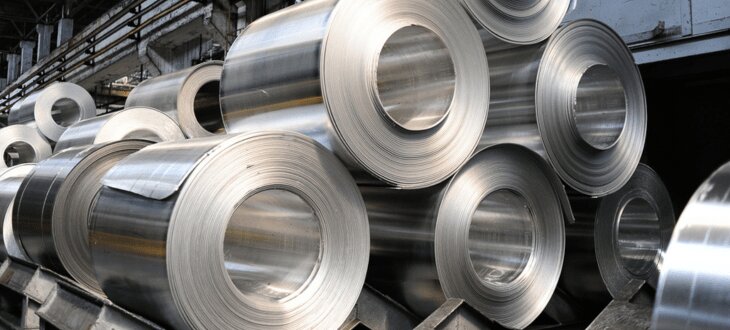
Aluminum sheet metal is a flat-rolled aluminum product with a thickness typically ranging from 0.006 inches to 0.249 inches. Anything thinner is generally classified as aluminum foil, while thicker products are considered aluminum plate. This versatile material is produced by passing aluminum through rolling mills that progressively reduce its thickness while increasing its length and width.
Why Aluminum Sheet Metal Is So Popular
Aluminum sheet has become one of the most widely used materials across countless industries, and for good reason. Here’s why so many professionals choose aluminum sheet for their projects:
- Lightweight yet strong: Aluminum weighs approximately one-third as much as steel, making it ideal for applications where weight reduction is critical without sacrificing structural integrity.
- Excellent corrosion resistance: Aluminum naturally forms a protective oxide layer that shields it from rust and corrosion, even in harsh environments.
- High conductivity: Aluminum offers excellent thermal and electrical conductivity, making it perfect for heat exchangers, electrical enclosures, and similar applications.
- Easy to work with: Aluminum sheet can be easily cut, bent, welded, and formed using standard metalworking equipment and techniques.
- Recyclable and sustainable: Aluminum is 100% recyclable without loss of quality, making it an environmentally responsible choice.
- Cost-effective: While prices fluctuate with market conditions, aluminum sheet generally offers excellent value for its performance characteristics.
- Aesthetic appeal: Aluminum’s natural finish can be polished, brushed, or anodized to create attractive surfaces for architectural and decorative applications.
Types and Grades of Aluminum Sheet
Understanding aluminum grades is crucial for selecting the right material for your project. Aluminum alloys are designated by a four-digit numbering system, with each series offering distinct properties.
1100 Aluminum Sheet
1100 aluminum is commercially pure aluminum with a minimum aluminum content of 99%. It’s one of the most workable aluminum alloys and offers excellent corrosion resistance.
Key properties:
- Excellent formability and weldability
- Good corrosion resistance
- High thermal and electrical conductivity
- Lower strength compared to alloyed grades
Common applications:
- Chemical equipment and tanks
- Food and beverage processing equipment
- Heat exchangers
- Reflectors and light fixtures
- Nameplates and decorative trim
Best for: Projects requiring maximum formability and corrosion resistance where high strength isn’t critical.
3003 Aluminum Sheet
3003 aluminum is one of the most widely used aluminum alloys, offering approximately 20% greater strength than 1100 while maintaining excellent formability and corrosion resistance. It contains manganese as its primary alloying element.
Key properties:
- Good formability and weldability
- Excellent corrosion resistance
- Moderate strength
- Good workability
Common applications:
- Roofing and siding
- Cooking utensils and equipment
- Storage tanks and pressure vessels
- Heat exchangers
- Chemical equipment
- Builder’s hardware
Best for: General-purpose applications requiring better strength than 1100 while maintaining good formability.
5052 Aluminum Sheet
5052 aluminum is the highest strength non-heat-treatable alloy and offers excellent corrosion resistance, particularly in marine environments. Magnesium is its primary alloying element.
Key properties:
- High fatigue strength
- Excellent corrosion resistance, especially in saltwater
- Good formability
- Good weldability
- Higher strength than 1100 and 3003
Common applications:
- Marine applications (boat hulls, fuel tanks)
- Transportation equipment
- Sheet metal work and fabrication
- Hydraulic tubes
- Appliances and electronics enclosures
- Fuel and oil lines
Best for: Applications requiring higher strength and excellent corrosion resistance, especially in marine or coastal environments.
6061 Aluminum Sheet
6061 aluminum is one of the most versatile heat-treatable aluminum alloys, offering an excellent balance of strength, corrosion resistance, and workability. It’s the most common aluminum alloy for structural applications.
Key properties:
- High strength-to-weight ratio
- Excellent machinability
- Good weldability (with proper techniques)
- Good corrosion resistance
- Can be heat-treated for increased strength
Common applications:
- Structural components and frameworks
- Aerospace parts
- Automotive components
- Bicycle frames
- Marine fittings and hardware
- Truck and trailer bodies
- Architectural applications
Best for: Structural applications requiring high strength, good corrosion resistance, and excellent machinability.
Other Notable Grades
While 1100, 3003, 5052, and 6061 are the most common aluminum sheet grades, several other alloys serve specialized purposes:
2024 aluminum: High-strength aerospace alloy with excellent fatigue resistance but lower corrosion resistance.
5083 aluminum: Marine-grade alloy with exceptional strength and corrosion resistance in saltwater.
7075 aluminum: One of the strongest aluminum alloys, commonly used in aerospace applications.
Aluminum Sheet Thickness Options
Aluminum sheet thickness is typically specified in either decimal inches or gauge numbers. Understanding these measurements is essential for ordering the right material.
Understanding Gauge vs Decimal Thickness
The gauge system is a traditional method of specifying sheet metal thickness, but it can be confusing because higher gauge numbers indicate thinner material. Decimal measurements provide more precision and are increasingly preferred in modern fabrication.
Common aluminum sheet thicknesses:
- 30 gauge (0.010”): Very thin, used for lightweight applications
- 26 gauge (0.017”): Light-duty applications, decorative work
- 24 gauge (0.020”): General fabrication, ductwork
- 22 gauge (0.025”): Light structural applications
- 20 gauge (0.032”): Medium-duty fabrication
- 18 gauge (0.040”): General-purpose fabrication
- 16 gauge (0.051”): Structural applications
- 14 gauge (0.064”): Heavy-duty fabrication
- 12 gauge (0.081”): Structural components
- 11 gauge (0.091”): Heavy structural work
- 10 gauge (0.102”): Very heavy-duty applications
- 1/8” (0.125”): Thick sheet/thin plate applications
- 3/16” (0.1875”): Heavy structural applications
- 1/4” (0.250”): Plate thickness (technically no longer “sheet”)
Choosing the Right Thickness
Selecting the appropriate thickness depends on several factors:
- Structural requirements: Thicker material provides greater strength and rigidity for load-bearing applications.
- Forming operations: Thinner gauges are easier to bend, roll, and form into complex shapes.
- Weight considerations: Thinner material reduces overall weight, critical in aerospace and transportation applications.
- Cost: Thicker material costs more per square foot, so use the minimum thickness that meets your requirements.
- Appearance: Thicker material resists oil-canning (visible waviness) better than thin gauges.
Standard Sizes and Dimensions
Aluminum sheet is available in various standard sizes, though custom cutting is readily available from most suppliers.
Common Sheet Sizes
Standard sheets:
- 36” x 96” (3’ x 8’)
- 36” x 120” (3’ x 10’)
- 48” x 96” (4’ x 8’)
- 48” x 120” (4’ x 10’)
- 48” x 144” (4’ x 12’)
- 60” x 120” (5’ x 10’)
- 60” x 144” (5’ x 12’)
Custom sizes: Most metal suppliers can cut aluminum sheet to your exact specifications, often reducing waste and saving money on larger projects.
Ordering Considerations
When ordering aluminum sheet, consider these factors:
- Material utilization: Plan your cuts to minimize waste and reduce costs.
- Handling and transportation: Larger sheets may require special equipment and transportation arrangements.
- Storage: Ensure you have adequate space to store sheets flat and protected from damage.
- Lead time: Custom sizes may require additional processing time.
Applications Across Industries
Aluminum sheet metal’s versatility makes it indispensable across numerous industries and applications.
Aerospace and Aviation
The aerospace industry was one of the first to recognize aluminum’s potential, and it remains a primary material for aircraft construction.
Applications:
- Aircraft skins and fuselages
- Wing structures
- Interior panels and trim
- Cargo liners
- Helicopter components
Why aluminum? The exceptional strength-to-weight ratio is critical for fuel efficiency and payload capacity.
Automotive and Transportation
Modern vehicles increasingly use aluminum to reduce weight and improve fuel efficiency without compromising safety.
Applications:
- Body panels and hoods
- Truck beds and trailer bodies
- Fuel tanks
- Heat shields
- Trim and decorative elements
- Chassis components
Why aluminum? Weight reduction directly improves fuel economy and vehicle performance.
Marine Industry
Aluminum’s corrosion resistance makes it ideal for marine applications where saltwater exposure is constant.
Applications:
- Boat hulls and decks
- Fuel tanks
- Marine hardware and fittings
- Pontoons
- Fishing boat components
Why aluminum? Excellent corrosion resistance in saltwater environments and lighter weight than steel.
Architecture and Construction
Architects and builders appreciate aluminum’s combination of durability, aesthetics, and low maintenance requirements.
Applications:
- Roofing and siding
- Curtain walls and facades
- Window and door frames
- Decorative panels and trim
- Canopies and awnings
- Flashing and gutters
Why aluminum? Weather resistance, aesthetic versatility, and minimal maintenance requirements.
Food and Beverage Industry
Aluminum’s non-toxic properties and corrosion resistance make it safe for food contact applications.
Applications:
- Processing equipment
- Storage tanks
- Cooking equipment
- Refrigeration components
- Beverage cans and containers
Why aluminum? Food-safe, corrosion-resistant, and easy to clean and sanitize.
Electronics and Electrical
Aluminum’s electrical conductivity and electromagnetic shielding properties serve the electronics industry well.
Applications:
- Equipment enclosures and chassis
- Heat sinks
- Electrical panels and boxes
- Cable trays
- Antenna components
Why aluminum? Good conductivity, electromagnetic shielding, and excellent heat dissipation.
Aluminum vs Steel Sheet: A Detailed Comparison
Choosing between aluminum and steel sheet is one of the most common decisions in metal fabrication. Each material offers distinct advantages depending on your application.
Weight
Aluminum wins: Aluminum is approximately 65% lighter than steel, making it the clear choice when weight reduction is important. This weight advantage translates into improved vehicle fuel efficiency, easier handling during fabrication, and reduced structural loads in buildings.
Strength
Steel wins: Pound for pound, steel is stronger than aluminum. However, when comparing equal weights, high-strength aluminum alloys can approach steel’s strength. For applications requiring maximum strength in the smallest space, steel is typically the better choice.
Corrosion Resistance
Aluminum wins: Aluminum naturally forms a protective oxide layer that prevents corrosion, even in harsh environments. Steel requires protective coatings, galvanizing, or stainless alloys to achieve comparable corrosion resistance.
Cost
Steel wins: Steel sheet is generally less expensive than aluminum sheet on a per-pound basis. However, aluminum’s lighter weight means you need less material for equivalent coverage, which can narrow the cost gap in some applications.
Workability
Aluminum wins: Aluminum is easier to cut, drill, and form than steel. It requires less force for bending and forming operations and doesn’t work-harden as quickly as steel. However, aluminum can be more challenging to weld, requiring specialized equipment and techniques.
Heat Conductivity
Aluminum wins: Aluminum conducts heat approximately four times better than steel, making it ideal for heat exchangers, cookware, and applications requiring rapid heat dissipation.
Electrical Conductivity
Aluminum wins: While not as conductive as copper, aluminum offers better electrical conductivity than steel at a fraction of the weight, making it popular for electrical applications.
Magnetic Properties
Steel wins (sometimes): Steel is magnetic, which can be either an advantage or a disadvantage depending on your application. Aluminum is non-magnetic, making it essential for applications where magnetic interference must be avoided.
Recyclability
Tie: Both aluminum and steel are highly recyclable. Aluminum recycling requires only 5% of the energy needed to produce new aluminum, while steel is the world’s most recycled material by volume.
Tips for Selecting the Right Aluminum Sheet
Making the right aluminum sheet selection ensures optimal performance and cost-effectiveness for your project.
Step 1: Define Your Requirements
Start by clearly identifying your project’s needs:
- What loads or stresses will the material experience?
- What environmental conditions will it face?
- Are there weight restrictions or goals?
- What forming or fabrication operations are required?
- Are there aesthetic requirements?
- What’s your budget?
Step 2: Select the Appropriate Grade
Based on your requirements, choose the aluminum grade that best matches your needs:
- Choose 1100 for maximum formability and corrosion resistance when strength isn’t critical.
- Choose 3003 for general-purpose applications requiring moderate strength and excellent formability.
- Choose 5052 for higher strength applications, especially in marine or corrosive environments.
- Choose 6061 for structural applications requiring maximum strength and good machinability.
Step 3: Determine the Right Thickness
Select the minimum thickness that meets your structural and aesthetic requirements. Remember that thicker isn’t always better—excess thickness adds unnecessary weight and cost.
Step 4: Consider Surface Finish
Aluminum sheet is available in various finishes:
- Mill finish: The natural finish from the rolling mill, suitable for most applications.
- Brushed finish: Directional grain pattern for aesthetic applications.
- Polished finish: Mirror-like surface for decorative or reflective applications.
- Anodized finish: An Electrochemical process that enhances corrosion resistance and allows for color options.
Step 5: Calculate Material Needs
Carefully measure and plan your project to determine how much material you need. Add 10-15% extra for waste, mistakes, and future repairs.
Step 6: Verify Certifications and Standards
For critical applications, ensure your aluminum sheet meets relevant industry standards and comes with proper certifications and mill test reports.
Step 7: Work with a Knowledgeable Supplier
Partner with a supplier who can provide technical guidance, material certifications, and value-added services like custom cutting and forming.
Working with Tampa Steel & Supply
Selecting the right aluminum sheet is only half the battle—working with the right supplier makes all the difference in your project’s success.
At Tampa Steel & Supply, we maintain an extensive inventory of aluminum sheet in all common grades and sizes. Our experienced team can help you select the perfect material for your application and provide custom cutting and fabrication services to your exact specifications.
What We Offer
- Comprehensive inventory: We stock 1100, 3003, 5052, and 6061 aluminum sheet in various thicknesses and sizes.
- Custom cutting: Our precision cutting services minimize waste and ensure you get exactly what you need.
- Technical expertise: Our knowledgeable staff can help you select the right grade and thickness for your project.
- Quality assurance: All our aluminum sheet comes with proper certifications and mill test reports.
- Fast delivery: Local delivery throughout the Tampa Bay area keeps your projects on schedule.
Conclusion
Aluminum sheet metal offers an unbeatable combination of light weight, strength, corrosion resistance, and workability, making it indispensable across countless industries and applications. By understanding the available grades, thicknesses, and properties, you can make informed decisions that optimize performance and cost for your specific project.
Whether you’re building aircraft components, fabricating marine equipment, creating architectural features, or tackling any other project requiring quality sheet metal, aluminum deserves serious consideration. Its versatility, durability, and ease of fabrication make it a smart choice for professionals and DIY enthusiasts alike.
Visit Tampa Steel & Supply for Quality Metal and Metal Processing Services
Do you need help with metalworking and keeping your metal fresh? The experienced professionals at Tampa Steel & Supply are here to help. We provide the highest quality of services to our customers.
Request a quote online or call Tampa Steel & Supply at (813) 241-2801.