
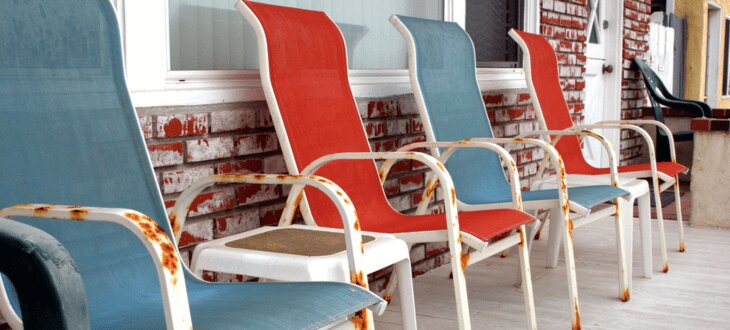
Steel is one of the strongest, most versatile building materials available, but when exposed to outdoor moisture, salt, and humidity, it will rust if not properly protected.
If you’re building railings, gates, fencing, equipment, signage, marine structures, or outdoor frames, choosing the right corrosion protection is just as important as choosing the steel itself.
Will Steel Rust Outdoors?
Yes, steel will rust outdoors if it is not properly protected from the elements.
This guide explains how to prevent rust on steel outdoors by comparing paint, powder coating, galvanizing, and stainless steel, and shows you which option works best for different environments, including coastal Florida, industrial areas, and inland locations.
Why Steel Rusts Outdoors
Steel rusts when iron reacts with oxygen and moisture. This process, called oxidation, accelerates in humid climates, in rain, in salt air, and in industrial pollution. Florida’s climate makes corrosion protection especially critical.
The 4 Main Ways to Prevent Rust
Steel can be protected in four primary ways, each with different costs, durability, and maintenance requirements:
- Applying paint
- Applying powder coating
- Using galvanized steel
- Choosing stainless steel
1. Painted Steel
Paint creates a barrier between steel and moisture. It is one of the most common rust-prevention methods because it is affordable and easy to apply. It is commonly used for fencing, outdoor furniture, and handrails. However, if paint chips or scratches, moisture can reach the steel underneath, and rust will begin.
Best for: Inland locations and projects where periodic repainting is acceptable.
2. Powder Coated Steel
Powder coating is a baked-on plastic finish that forms a harder surface than paint. It resists UV damage, scratching, and fading. Like paint, it only protects as long as the surface remains intact.
Best for: Signage and architectural metal in inland or moderately humid environments.
3. Galvanized Steel
Galvanized steel is coated with zinc. The zinc acts as a physical barrier and provides “sacrificial protection,” meaning the zinc corrodes before the steel does, even if scratched. It can protect steel for 20 to 50 years with little maintenance.
Best for: Coastal construction, guardrails, and industrial environments.
4. Stainless Steel
Stainless steel resists rust via chromium, which forms a self-healing protective layer. It does not need coatings to resist corrosion. While it has the highest upfront cost, it offers the highest resistance.
Best for: Marine hardware and long-term, low-maintenance installations in coastal Florida.
Best Choice by Environment
- Coastal Florida: Salt air aggressively attacks paint. Galvanized or stainless steel is strongly recommended.
- Industrial Areas: Pollutants speed up corrosion. Galvanized steel is the top performer here.
- Inland Locations: Paint or powder coating may be sufficient for light-duty applications.
Lifecycle Cost Comparison
Lifecycle cost often matters more than the initial purchase price. Use the table below to compare long-term value:
| Protection Method | Upfront Cost | Maintenance Need | Typical Lifespan |
|---|---|---|---|
| Paint | Low | High (Frequent repainting) | Short (2-5 years) |
| Powder Coating | Moderate | Moderate | Moderate (5-10 years) |
| Galvanizing | Moderate/High | Very Low | Long (20-50 years) |
| Stainless Steel | High | Very Low | Lifetime |
Choosing the Right Protection
Ask yourself these five questions to determine the best solution for your project:
- How wet will this steel get?
- Will it be near saltwater?
- How long does it need to last?
- Is maintenance acceptable?
- Is appearance critical?
Get the Right Steel for Outdoor Use
Tampa Steel & Supply stocks galvanized steel, stainless steel, and mild steel ready for coating. Our team can help you choose the best corrosion-resistant option for your project and your environment.
Request a Quote Online or Call Tampa Steel & Supply at (813) 241-2801.