
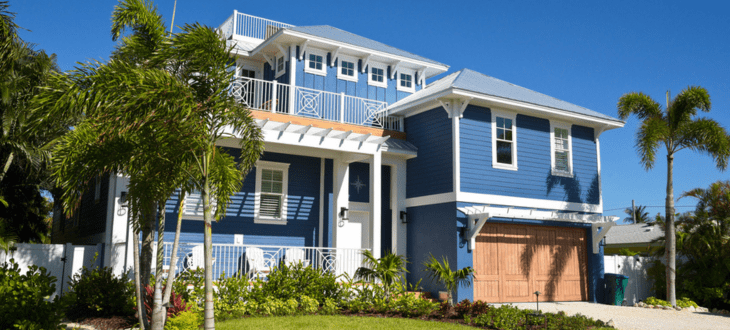
Florida’s unique climate and weather hazards present special challenges for steel construction — especially when it comes to wind resistance, corrosion, and long-term performance. At Tampa Steel & Supply, we help builders, contractors, and property owners stay code-compliant and storm-ready with the right materials and expert guidance.
This guide provides an overview of Florida’s building codes for steel construction, key requirements, and why working with a local, knowledgeable supplier is essential.
Why Florida Has Unique Steel Construction Codes
Unlike most states, Florida faces year-round environmental stressors that affect steel structures, including:
- Hurricanes and tropical storms
- High-velocity wind zones
- Salt-laden coastal air
- High humidity and moisture exposure
- Flood-prone and storm-surge areas
Because of these risks, Florida’s building codes place stronger emphasis on wind loads, connections, and corrosion protection to ensure buildings remain safe, durable, and resilient.
Key Steel-Specific Code Requirements in Florida
Florida’s building standards for steel construction are among the most rigorous in the nation. Below are some of the most important requirements.
1. Wind Load Requirements
Steel structures must meet some of the strictest wind-resistance standards in the U.S.
- Requirements vary by county, wind zone, height, and building type
- High-velocity hurricane zones (HVHZ), such as Miami-Dade and Broward counties, have even stricter rules
- Engineers must calculate uplift, lateral forces, and structural load paths
2. Corrosion Protection
Given Florida’s humidity and salt exposure, the Florida Building Code (FBC) requires:
- Galvanized or galvalume coatings
- Protective primers, powder coating, or high-performance paint
- Material selection suited to coastal or industrial environments
This helps prevent premature rusting and extends the life of steel components.
3. Fastening & Connection Standards
Steel connections must withstand hurricane-force winds.
- Stronger bolts, welds, and anchors
- Tested and approved fastening systems
- Proper documentation for inspections
Connection failure is one of the biggest risks during storms, which is why FBC requirements exceed most national standards.
4. Flood & Elevation Requirements
In low-lying and coastal areas:
- Buildings may need to be elevated
- Foundations must meet flood-resistant construction criteria
- Steel components must withstand moisture, impact, and debris flow
5. Energy Efficiency Requirements
Steel buildings must comply with Florida’s energy codes, which affect:
- Insulation
- Reflectivity
- Thermal barriers
- HVAC efficiency
This ensures both comfort and reduced energy consumption.
How Florida Codes Differ From National Standards
Florida’s codes are more stringent than many national standards, including the International Building Code (IBC).
More Stringent Wind Loads
Florida’s wind-load criteria are some of the highest in the country, often exceeding IBC requirements.
Enhanced Corrosion Protection
FBC places increased emphasis on coatings, finishes, and material types depending on proximity to saltwater.
Local Amendments
Individual counties and municipalities may introduce additional requirements based on:
- Microclimates
- Flood zones
- Storm-surge risk
- Soil conditions
Builders must always confirm requirements locally — not just at the state level.
Compliance Tips for Contractors and Builders
To remain code-compliant and avoid costly delays:
- Always consult the latest Florida Building Code and local amendments
- Work with engineers experienced in Florida’s high-wind and coastal design requirements
- Use certified, code-compliant steel products and approved coatings
- Maintain detailed documentation for inspectors
- Source steel from suppliers familiar with Florida regulations
Benefits of Working With Tampa Steel & Supply
Choosing a knowledgeable local supplier can make all the difference. Tampa Steel & Supply provides:
- Local expertise in Florida building codes and climate challenges
- A wide selection of code-compliant steel materials and coatings
- Fast delivery to keep projects on schedule
- Trusted support for builders, contractors, and fabricators
- Assistance with documentation to help streamline the inspection process
We understand the requirements that matter most — and we help ensure your steel structures remain safe, durable, and built to code.
Visit Tampa Steel & Supply for Quality Metal and Metal Processing Services
Need help navigating Florida’s steel construction codes or sourcing code-compliant materials? The experienced professionals at Tampa Steel & Supply are here to help. We provide high-quality steel products and metal processing services to customers throughout Florida and beyond.
Request a Quote Online or Call Tampa Steel & Supply at (813) 241-2801.