
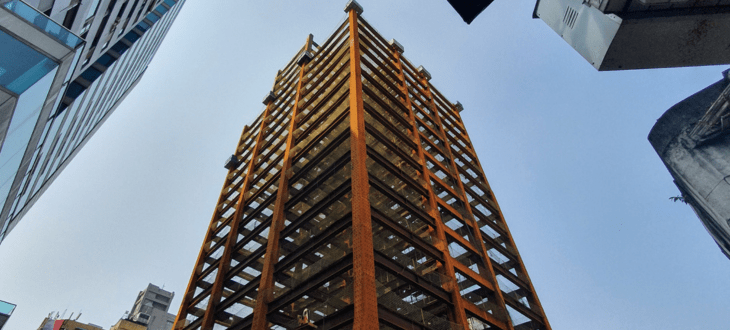
Structural steel is one of the most essential materials in modern construction, valued for its strength, versatility, and long-term reliability. At Tampa Steel & Supply, we provide high-quality structural steel products to support commercial, industrial, and residential projects across Florida and beyond.
This guide explores what structural steel is, the most common types and grades, key properties, and how structural steel is used throughout today’s construction industry.
What Is Structural Steel?
Structural steel refers to a category of steel engineered specifically for load-bearing, support, and structural applications. It is manufactured in a variety of standardized shapes and sizes, and its mechanical properties make it ideal for buildings, bridges, towers, and large infrastructure projects.
Structural steel is known for its:
- High strength-to-weight ratio
- Predictable performance
- Outstanding durability
- Design versatility
These qualities make it a preferred material for architects, engineers, and builders across the world.
Common Types of Structural Steel
There are several widely used grades and types of structural steel, each designed for specific performance needs. Below are the most common structural steel grades used in construction.
A36 Steel
One of the most widely used carbon steels, known for:
- Good weldability
- Strong mechanical performance
- Cost-effectiveness
Common applications include beams, angles, plates, and channels.
A992 Steel
The standard material for wide-flange beams in the U.S., offering:
- High strength
- Excellent weldability
- Improved resistance to atmospheric corrosion
A992 is commonly used in large building frames and bridge construction.
A572 Steel
A high-strength, low-alloy steel available in multiple grades. Benefits include:
- Higher strength-to-weight ratio
- Good ductility
- Versatility across structural applications
Frequently used for columns, beams, and heavy-duty support structures.
Other Common Grades
- A500 — Ideal for structural tubing and hollow structural sections (HSS)
- A588 — Weathering steel used for outdoor structures requiring enhanced corrosion resistance
- A514, A709, and more — Specialized grades for demanding load and environmental conditions
Shapes and Forms of Structural Steel
Structural steel is manufactured in many shapes, each designed for specific engineering and architectural needs.
Beams
Includes I-beams, H-beams, and wide-flange beams — the primary load-bearing members used in floors, roofs, and frames.
Columns
Vertical structural supports essential for buildings, bridges, and towers.
Angles and Channels
Commonly used for framing, bracing, and reinforcement.
Plates and Sheets
Used in flooring, roofing, connection plates, and custom fabrication work.
Pipes and Tubing
Ideal for frameworks, trusses, handrails, and architectural applications.
Key Properties of Structural Steel
Structural steel is engineered to meet rigorous standards for performance and safety. Its most important properties include:
Strength
Provides exceptional load-bearing capacity and long-term structural stability.
Ductility
Can bend or deform without breaking — improving safety during extreme forces or impact.
Toughness
Resists cracking or fracturing under dynamic loads.
Weldability
Easily joined to other steel components, supporting complex designs and faster construction.
Corrosion Resistance
Certain grades offer increased resistance to atmospheric or coastal environments.
Applications of Structural Steel in Construction
Structural steel is used in nearly every major construction sector, including:
Buildings
Skyscrapers, office buildings, warehouses, residential structures, and high-rise towers rely on steel’s strength and long-span capabilities.
Bridges
Steel’s durability and flexibility make it ideal for short, medium, and long-span bridges.
Infrastructure
Used in stadiums, airports, transportation hubs, broadcast towers, water treatment facilities, and more.
Industrial Facilities
Essential in factories, power plants, distribution centers, and storage facilities.
Advantages of Structural Steel in Modern Construction
Structural steel offers multiple advantages that make it one of the most preferred construction materials on the market:
Speed of Construction
Prefabricated components streamline installation and reduce project timelines.
Design Flexibility
Steel allows for creative architectural designs, long spans, open interiors, and complex geometries.
Sustainability
Steel is 100% recyclable and often produced using recycled content — an eco-friendly choice for modern builds.
Cost-Effectiveness
Durability, low maintenance, and long service life make structural steel a cost-efficient solution.
Why Choose Tampa Steel & Supply?
Tampa Steel & Supply provides:
- A wide selection of structural steel grades and shapes
- Expert metal processing services
- Reliable delivery across Florida
- Knowledgeable guidance from an experienced team
We help contractors, engineers, and fabricators get the right steel materials to ensure strength, safety, and project success.
Visit Tampa Steel & Supply for Quality Steel and Metal Processing Services
Need help selecting the right structural steel for your project? The experienced team at Tampa Steel & Supply is here to help. We provide high-quality steel products and metal processing services to customers across Florida and beyond.
Request a Quote Online or Call Tampa Steel & Supply at (813) 241-2801.