
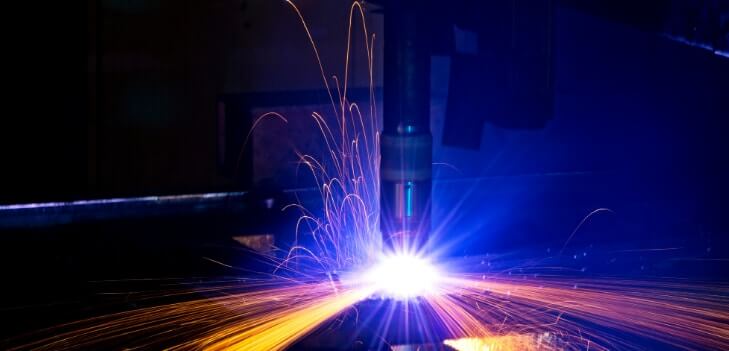
If you’ve ever seen intricate metal art, precisely cut structural components, or decorative metalwork and wondered how it was made — the answer is often a CNC plasma cutter. This technology sits at the intersection of physics, engineering, and craftsmanship, and it’s capable of producing results that would be nearly impossible to achieve by hand. Here’s everything you need to know.
What is a CNC Plasma Cutter?
A CNC plasma cutter is a computer-controlled machine that uses a high-temperature plasma torch to cut through electrically conductive metals with exceptional speed and precision. CNC stands for Computer Numerical Control, which means the movement of the cutting torch is directed entirely by a programmed computer rather than a human hand.
This distinction matters. A hand-held plasma torch relies on the operator’s skill and steadiness. A CNC plasma cutter follows a digital design file with consistent, repeatable accuracy — cutting the same shape hundreds of times with virtually no variation. The result is clean, precise cuts that require little to no additional finishing work.
CNC plasma cutters are used across a wide range of industries, from structural steel fabrication and automotive manufacturing to signage, architectural metalwork, and custom metal art designs.
How Does a CNC Plasma Cutter Work?
The process starts with compressed gas or air forced at high speed through a small nozzle. When an electric arc is introduced to that gas stream, it ionizes the gas — transforming it into plasma, the fourth state of matter. Plasma is superheated to extreme temperatures and focused into a precise beam capable of melting through metal almost instantly.
The CNC system translates a digital design file into precise movements of the torch head along the X and Y axes, cutting the programmed shape directly into the metal. Depending on the material type and thickness, CNC plasma cutters can operate at speeds of up to 500 inches per minute — making them not just accurate, but remarkably fast.
Related: 10 CNC Plasma Cutting Mistakes to Avoid
Parts of a CNC Plasma Cutting Machine
Understanding the components helps explain why CNC plasma cutters perform so well:
- Plasma Torch: The core cutting tool, responsible for generating and directing the plasma arc onto the material
- CNC Controller: The computer brain of the machine; translates design files into precise motion commands
- Drive System: Motors and drives that move the torch head along the cutting table with high accuracy
- Cutting Table: The surface that holds the metal workpiece in place during cutting; typically a steel slat or water table design
- Power Supply: Provides the electrical current needed to generate and sustain the plasma arc
- Gas Supply System: Delivers the correct gas or gas mixture to the torch at the right pressure and flow rate
- Height Control System: Automatically adjusts the torch height above the material to maintain consistent cut quality, especially on warped or uneven stock
CNC Plasma Cutters FAQs
How hot does a plasma cutter get?
Plasma torches reach temperatures of approximately 40,000°F — nearly four times hotter than the surface of the sun. This temperature is reached almost instantaneously when the torch activates, with no warmup period required. At that heat, most metals are cut through cleanly and quickly.
What gases are used in plasma cutting?
Different metals and cut quality requirements call for different gases:
- Mild steel: Oxygen is typically used for faster cuts on mild steel up to 1¼ inch thick. Note that oxygen produces rough results on stainless steel or aluminum.
- Stainless steel and aluminum: A mixture of argon and hydrogen delivers smooth, high-quality cuts on these materials.
- General purpose cutting: Compressed air is commonly used for a cost-effective option across many materials and thicknesses.
How thick can a CNC plasma cutter cut?
Cutting capacity varies by machine, but high-powered CNC plasma cutters can cut through nearly 6 inches of steel. For most fabrication and structural applications, this is more than sufficient.
What designs can a CNC plasma cutter produce?
The design possibilities are nearly limitless. Any shape that can be drawn digitally can be cut. The main practical consideration is scale — the more intricate the detail, the larger the final piece needs to be. This prevents adjacent cuts from bleeding into each other due to the torch’s heat. Simple, bold designs can be produced at smaller sizes; highly detailed work requires more surface area.
What metals can a CNC plasma cutter cut?
CNC plasma cutters work on any electrically conductive metal, including mild steel, stainless steel, aluminum, copper, and brass. Browse our steel products to find the right material for your project.
What is thermal separation?
Thermal separation is the technical term for what happens when plasma cutting takes place. Heat is used to melt and sever the material — with or without oxygen flow — producing a clean cut that typically requires no further reworking or post-processing. It’s one of the reasons CNC plasma cutting is so efficient compared to mechanical cutting methods.
How does CNC plasma cutting compare to other cutting methods?
Mills, water jet cutters, and laser cutters can all accomplish similar results in certain scenarios, but CNC plasma cutting consistently delivers the best combination of speed, cut quality, and cost-effectiveness for conductive metals. It also handles thicker materials more capably than laser cutting, making it the preferred choice for heavy fabrication work.
Get a CNC Plasma Cutting Quote from Tampa Steel & Supply
Ready to bring your design to life? Tampa Steel & Supply offers professional CNC plasma cutting services for custom metal art, structural components, signage, and more. Visit our warehouse or email CNC@tampasteel.com for a quote. You can also browse our full selection of metal materials to get started.
Have questions? Our team has been serving customers for nearly four decades and is ready to help. Stop by our Tampa showroom or contact us today.