
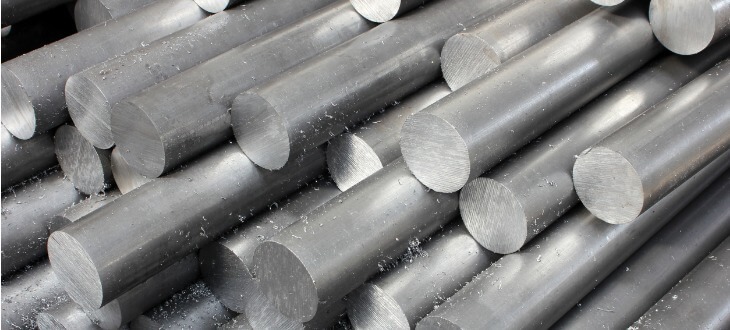
Stainless steel is a popular item across the US. It can be used for various purposes in both mechanical and consumer markets. Stainless steel is made from iron and chromium. The exact composition of stainless steel depends on many factors, such as its intended use. Stainless steel is also corrosion-resistant.
This article will focus on what stainless steel is, how it’s made, the general properties of stainless steel, why it’s so popular, and the benefits of using it.
How is Stainless Steel Made?
Stainless steel is made in four common steps. Shaping the metal is a major part of the process because it significantly affects its performance. Before the process can start, a molten alloy has to be created.
Step 1: Melting the Elements
Manufacturing steel begins with melting all of the elements in an electric arc furnace (EAF). The EAF uses high-power electrodes to melt the metal for many hours to create a new mixture. Exact temperatures will vary based on the grade of steel being made.
Step 2: Removing Carbon Content
Adding carbon to metal hardens and strengthens it. If you add too much, it can create problems later when you try to weld your steel. This step is essential to create the correct type of stainless steel.
There are two ways to control carbon content: Argon-Oxygen Decarburization (AOD) or Vacuum Oxygen Decarburization (VOD).
- Argon-Oxygen Decarburization (AOD): For AOD, you must inject an argon gas mixture into molten steel. This reduces the carbon content with minimal loss of other essential elements.
- Vacuum Oxygen Decarburization (VOD): This method involves transferring molten steel to an oxygen chamber, where oxygen is injected into the steel while heat is applied. A vacuum will then remove vented gases from the chamber, reducing the carbon content.
Step 3: Turning
At this stage, a final balance of temperature occurs. Here, the metal meets the requirements for its intended grade and maintains a consistent composition throughout the batch.
In this step, the samples are tested and analyzed. Then adjustments are made until the mixture meets the required standards.
Step 4: Forming or Casting
The last step is the forming or casting stage. The steel is now ready to be shaped, however it will need to cool before being worked on. The final product will dictate the exact shape and dimensions of the steel. The steps from here will vary depending on the grade and the final product required.
General Properties of Stainless Steel
Stainless steel has many properties. The most common are:
- Resistant to corrosion and temperature
- High tensile strength
- Durable
- Long product life
- Recyclable
Benefits of Stainless Steel
There are many benefits of stainless steel. Firstly, it is fire and heat-resistant. Stainless steel also has oxidation resistance, especially at high temperatures. This means your stainless steel will remain strong at high or low temperatures.
Stainless steel is extremely tough and durable. This means it has high impact resistance and will retain its shape.
Sustainability is an additional benefit of stainless steel. Stainless steel is 100% recyclable and can be repurposed for its original function. Furthermore, it won’t bleed any toxic chemicals or other materials during recycling.
The final benefit of stainless steel is its long-term value. The material’s life cycle is long compared to other materials, eliminating the need to continually invest in new or replacement products.
Visit Tampa Steel and Supply for Quality Metal and Metal Processing Services
Do you need help with woodworking or metalworking? The experienced professionals at Tampa Steel and Supply are here to help. We provide the highest-quality services to our customers.
Request a Quote Online
Or Call Tampa Steel & Supply at (813) 241-2801