
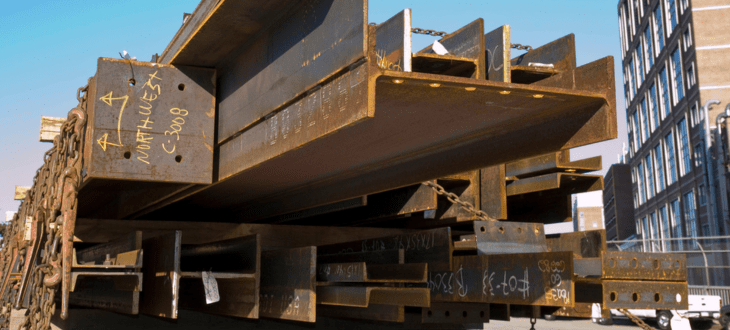
When it comes to building structures that stand the test of time, few materials are as reliable and versatile as steel beams. Whether you’re constructing a towering skyscraper, a cozy residential home, or an expansive industrial warehouse, steel beams form the backbone of modern construction. But with so many types, sizes, and specifications available, how do you know which steel beam is right for your project?
In this comprehensive guide, we’ll walk you through everything you need to know about steel beams—from the most common types and their applications to how to choose the perfect beam for your specific needs. Let’s dive in.
What Are Steel Beams and Why Are They Important?
Steel beams are horizontal structural elements designed to support loads and transfer weight from one point to another. They’re the unsung heroes of construction, providing the strength and stability that keep buildings, bridges, and other structures standing strong.
The importance of steel beams in construction cannot be overstated. They offer exceptional strength-to-weight ratios, enabling them to support massive loads without adding unnecessary bulk to a structure. Steel beams are also incredibly durable, resistant to many environmental factors, and can be fabricated to precise specifications for virtually any application.
From residential homes to commercial high-rises and industrial facilities, steel beams play a critical role in ensuring structural integrity and safety. They distribute weight evenly, resist bending and buckling under pressure, and provide the framework that allows architects and engineers to bring their most ambitious designs to life.
Common Types of Steel Beams
Understanding the different types of steel beams is essential for selecting the right one for your project. Each type has unique characteristics that make it suitable for specific applications. Here are the most common types you’ll encounter:
I-Beams (American Standard Beams)
I-beams, also known as American Standard Beams or S-beams, are among the most recognizable steel beam profiles. Named for their distinctive “I” shape when viewed from the end, these beams feature two horizontal flanges connected by a vertical web.
I-beams are incredibly efficient at carrying loads along their length and are commonly used in residential and light commercial construction. The tapered flanges (narrower at the edges than at the web) give I-beams their characteristic look and help distribute stress evenly throughout the beam.
Common applications:
- Residential floor joists
- Light commercial framing
- Mezzanines and platforms
H-Beams (Wide Flange Beams)
H-beams, also called wide flange beams or W-beams, are similar to I-beams but feature wider flanges and a more uniform thickness throughout. The “H” shape provides excellent load-bearing capacity in multiple directions, making these beams ideal for heavy-duty applications.
The wider flanges of H-beams offer greater resistance to twisting and lateral forces, which is why they’re the go-to choice for large-scale construction projects. They can handle heavier loads and longer spans than traditional I-beams.
Common applications:
- High-rise buildings
- Bridges
- Commercial construction
- Industrial facilities
- Heavy equipment support
W-Beams (Wide Flange Beams)
W-beams are technically a subset of H-beams and are the most widely used structural steel beams in North America. The “W” designation refers to “wide flange,” and these beams are characterized by their parallel flange surfaces and relatively thick webs.
W-beams come in an extensive range of sizes and weights, making them incredibly versatile. They’re designated by their nominal depth and weight per foot—for example, a W12x26 is nominally 12 inches deep and weighs 26 pounds per linear foot.
Common applications:
- Multi-story buildings
- Parking structures
- Industrial plants
- Any application requiring high load capacity
S-Beams (American Standard Beams)
S-beams are the official designation for what many people call I-beams. These beams have narrower flange widths than W-beams and feature tapered flanges that are thicker at the web than at the edges.
While S-beams aren’t as commonly used in new construction as W-beams, they’re still valuable for specific applications, particularly in renovation projects or when matching existing structural elements.
Common applications:
- Residential construction
- Light commercial projects
- Renovation work
Junior Beams (M-Shapes)
Junior beams, designated with an “M” prefix, are lighter-weight versions of standard I-beams. They’re designed for applications that don’t require the load capacity of full-size beams but still need structural support.
These beams are cost-effective solutions for lighter-duty applications and are easier to handle and install due to their reduced weight.
Common applications:
- Light framing
- Residential construction
- Decorative applications
- Secondary structural support
T-Beams (Structural Tees)
T-beams, or structural tees, are created by cutting W-beams, S-beams, or M-beams in half lengthwise. This creates a “T” shaped profile that’s useful for specific structural applications.
T-beams are often used as compression members or in truss construction, where their unique shape provides advantages over other beam types.
Common applications:
- Truss construction
- Compression members
- Specialized structural applications
Standard Steel Beam Sizes and Dimensions
Steel beams are available in a wide range of standardized sizes to accommodate various structural requirements. Understanding how these sizes are designated will help you communicate effectively with suppliers and ensure you get the right beam for your project.
How Steel Beams Are Sized
Steel beams are typically designated using a system that indicates the beam type, nominal depth, and weight per linear foot. For example:
- W12x26: A wide flange beam that’s nominally 12 inches deep and weighs 26 pounds per foot
- W24x84: A wide flange beam that’s nominally 24 inches deep and weighs 84 pounds per foot
The actual dimensions may vary slightly from the nominal designation, so it’s important to consult detailed specification charts when precision is critical.
Common W-Beam Sizes
W-beams range from small profiles like W4x13 (4 inches deep, 13 pounds per foot) to massive beams like W44x335 (44 inches deep, 335 pounds per foot). Some of the most commonly used sizes include:
- W8 series: Depths around 8 inches, weights from 10 to 67 pounds per foot
- W10 series: Depths around 10 inches, weights from 12 to 112 pounds per foot
- W12 series: Depths around 12 inches, weights from 14 to 336 pounds per foot
- W14 series: Depths around 14 inches, weights from 22 to 730 pounds per foot
- W16 series: Depths around 16 inches, weights from 26 to 100 pounds per foot
- W18 series: Depths around 18 inches, weights from 35 to 311 pounds per foot
- W21 series: Depths around 21 inches, weights from 44 to 201 pounds per foot
- W24 series: Depths around 24 inches, weights from 55 to 370 pounds per foot
Flange Width and Thickness
Beyond depth and weight, steel beams are also characterized by their flange width and thickness. Wider flanges provide greater resistance to lateral forces and twisting, while thicker flanges increase overall load capacity.
Typical flange widths range from about 4 inches on smaller beams to over 16 inches on larger profiles. Flange thickness can range from less than half an inch to several inches on the heaviest beams.
Load Capacities and Structural Properties
Understanding the load capacity of steel beams is crucial for safe and effective structural design. Load capacity depends on multiple factors, including beam size, span length, support conditions, and the type of steel used.
Factors Affecting Load Capacity
Several key factors influence how much weight a steel beam can safely support:
- Beam depth: Deeper beams can generally carry heavier loads and span longer distances than shallow beams.
- Span length: As the span length increases, the load capacity decreases. Longer spans require larger or stronger beams.
- Support conditions: How a beam is supported (simply supported, continuous, cantilevered) significantly affects its load capacity.
- Steel grade: Yield strengths vary by grade. Common grades include A36, A572, and A992, with A992 being the standard for most structural applications today.
- Load distribution: Concentrated loads (point loads) create different stresses than uniformly distributed loads.
Understanding Load Types
Steel beams must be designed to handle different types of loads:
- Dead loads: The permanent weight of the structure itself, including the beam, flooring, walls, and fixed equipment.
- Live loads: Temporary or moving loads such as people, furniture, vehicles, and snow.
- Impact loads: Sudden forces from equipment, elevators, or other dynamic sources.
- Lateral loads: Horizontal forces from wind, earthquakes, or other sources.
Working with Engineers
While it’s helpful to understand load capacity basics, actual beam selection for structural applications should always be performed by or verified by a licensed structural engineer. Engineers use sophisticated calculations and software to ensure beams are properly sized for safety and code compliance.
Applications of Steel Beams in Construction
Steel beams are incredibly versatile and find applications across virtually every sector of the construction industry. Let’s explore how they’re used in different project types.
Residential Construction
In residential construction, steel beams are often used to create open floor plans by eliminating load-bearing walls. They’re commonly used to support floor joists, span long distances in garages, and provide structural support for second-story additions.
Homeowners appreciate steel beams because they allow for more flexible interior layouts and larger open spaces. A single steel beam can replace multiple wooden support posts, opening up basements and living areas.
Common residential applications include:
- Supporting floor systems and removing load-bearing walls
- Garage door headers for wide openings
- Basement support beams
- Deck and porch support
- Foundation support in renovations
Commercial Construction
Commercial buildings rely heavily on steel beams for their structural frameworks. Office buildings, retail centers, hotels, and other commercial structures use steel beams to create the large, open spaces that modern businesses require.
The strength and span capabilities of steel beams make them ideal for creating column-free interiors, which is especially valuable in retail environments and office spaces where flexibility is important.
Commercial applications include:
- Primary structural framing for multi-story buildings
- Floor support systems
- Roof framing
- Parking structure support
- Mezzanine and platform construction
Industrial Facilities
Industrial facilities often have the most demanding structural requirements, and steel beams are up to the challenge. Manufacturing plants, warehouses, and distribution centers need to support heavy equipment, cranes, and massive inventory loads. To understand the environmental and structural benefits of steel, you can consult the World Steel Association’s resources on steel construction.
Steel beams in industrial settings are typically larger and heavier than those used in residential or light commercial construction. They must withstand not only static loads but also dynamic forces from machinery and material handling equipment.
Industrial applications include:
- Crane runway beams
- Heavy equipment support
- Warehouse racking support
- Conveyor system framing
- Large-span roof structures
Infrastructure Projects
Beyond buildings, steel beams play a critical role in infrastructure projects. Bridges, overpasses, and elevated roadways all depend on the strength and durability of structural steel beams.
The ability to fabricate steel beams to precise specifications and join them together in the field makes them ideal for large-scale infrastructure projects where consistency and reliability are paramount.
Infrastructure applications include:
- Bridge girders and support structures
- Highway overpasses
- Pedestrian bridges
- Railway structures
- Retaining wall support
How to Choose the Right Steel Beam for Your Project
Selecting the appropriate steel beam involves considering multiple factors to ensure structural integrity, cost-effectiveness, and code compliance. Here’s a step-by-step approach to making the right choice.
Step 1: Define Your Load Requirements
Start by determining what loads your beam needs to support. Work with a structural engineer to calculate dead loads, live loads, and any special loads specific to your project. Be sure to include appropriate safety factors and account for future load increases.
Step 2: Determine Span Length and Support Conditions
Measure the distance your beam needs to span and identify how it will be supported. Will it be simply supported at both ends, continuous over multiple supports, or cantilevered? Support conditions dramatically affect beam selection.
Step 3: Consider Space Constraints
Evaluate the available space for your beam. In some cases, a deeper beam might be more economical, but ceiling height restrictions might require a shallower, heavier beam instead. Consider how the beam will integrate with other building systems, such as HVAC, plumbing, and electrical.
Step 4: Select the Appropriate Beam Type
Based on your load requirements and span, choose the beam type that best fits your needs. W-beams are the most common choice for most applications, but specialized situations might call for S-beams, channels, or other profiles.
Step 5: Verify Steel Grade Requirements
Ensure you’re specifying the correct steel grade for your application. A992 is the standard grade for most structural beams in the United States, offering excellent strength and weldability. Other grades might be required for special applications or environmental conditions.
Step 6: Account for Connections and Fabrication
Consider how your beam will connect to other structural elements. Will it require bolt holes, welded connections, or special end preparations? Factor in any cutting, drilling, or other fabrication work needed. For custom work, consider Metal Fabrication Services.
Step 7: Review Code Requirements
Verify that your beam selection meets all applicable building codes and standards. Local codes may have specific requirements for steel grades, fire protection, corrosion protection, and seismic design.
Step 8: Consult with Professionals
Always work with qualified professionals, including structural engineers, architects, and experienced steel suppliers. Their expertise will help you avoid costly mistakes and ensure your project meets all safety and performance requirements.
Working with a Professional Steel Supplier
Choosing the right steel supplier is just as important as selecting the right beam. A quality supplier like Tampa Steel & Supply can make the difference between a smooth project and a frustrating experience.
What to Look for in a Steel Supplier
- Extensive inventory: A good supplier maintains a comprehensive inventory of common beam sizes so you can get what you need when you need it.
- Processing capabilities: Look for suppliers who can cut, drill, and fabricate beams to your specifications, saving you time and ensuring precision.
- Technical expertise: The best suppliers have knowledgeable staff who can help you select the right products and answer technical questions.
- Reliable delivery: Timely delivery is crucial for keeping projects on schedule. Choose a supplier with dependable logistics.
- Quality assurance: Ensure your supplier provides certified mill test reports and maintains strict quality control standards.
Benefits of Buying Local
Working with a local steel supplier offers several advantages. You’ll typically receive faster delivery, have the opportunity to inspect materials in person, and build relationships with people who understand your local market and building codes. Local suppliers are also more responsive when issues arise and can often accommodate rush orders or special requests more easily than distant suppliers.
Conclusion
Steel beams are fundamental to modern construction, providing the strength, versatility, and reliability that builders and engineers depend on. Whether you’re working on a residential renovation, a commercial development, or an industrial facility, understanding the types, sizes, and applications of steel beams will help you make informed decisions and achieve successful project outcomes.
From the compact efficiency of I-beams to the heavy-duty capacity of wide flange beams, there’s a steel beam solution for virtually every structural challenge. By considering your load requirements, span lengths, space constraints, and code requirements—and by working with qualified professionals—you can select the perfect beam for your project.
Visit Tampa Steel & Supply for Quality Metal and Metal Processing Services
Do you need help with metalworking and keeping your metal fresh? The experienced professionals at Tampa Steel & Supply are here to help. We provide the highest-quality services to our customers.
Request a quote online or call Tampa Steel & Supply at (813) 241-2801.