
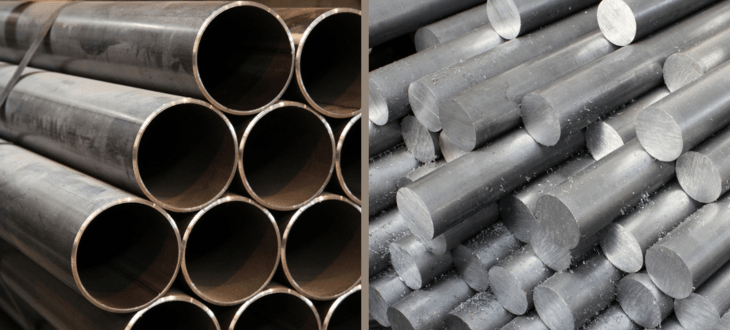
Choosing the right metal for your project can make the difference between success and costly mistakes. Steel and aluminum are two of the most popular materials in manufacturing, construction, and fabrication—but they couldn’t be more different in their properties, performance, and applications. So how do you decide which one is right for your specific needs?
The truth is, there’s no universal answer. Both steel and aluminum offer unique advantages and limitations, making them ideal for certain applications while less suitable for others. Understanding these differences is crucial for making informed decisions that optimize performance, cost, and longevity.
In this comprehensive comparison guide, we’ll break down everything you need to know about steel versus aluminum—from their fundamental properties and performance characteristics to real-world applications and decision-making factors. Whether you’re designing a building, fabricating equipment, or selecting materials for any project, this guide will help you choose the metal that best meets your requirements.
Understanding Steel: Properties and Characteristics
Steel is an iron-based alloy containing carbon and other elements that enhance its properties. It’s been the backbone of modern construction and manufacturing for over a century, and for good reason.
Key Properties of Steel
- High strength: Exceptional tensile strength, ideal for load-bearing applications and structural frameworks.
- Durability: Can last for decades or even centuries with proper maintenance.
- Versatility: Available in countless grades and forms.
- Magnetic properties: Useful in motors and transformers.
- Heat resistance: Maintains strength at high temperatures.
- Weldability: Most grades are easily welded.
Common Steel Types
- Carbon steel: Most common type; categorized as low, medium, or high carbon.
- Stainless steel: Contains chromium for corrosion resistance.
- Alloy steel: Includes manganese, nickel, or chromium for enhanced performance.
- Tool steel: Hardened steel for cutting tools, dies, and molds.
Understanding Aluminum: Properties and Characteristics
Aluminum is a lightweight, silvery-white metal that has revolutionized industries from aerospace to consumer products.
Key Properties of Aluminum
- Lightweight: Weighs about one-third as much as steel.
- Natural corrosion resistance: Forms a protective oxide layer.
- High conductivity: Excellent thermal and electrical performance.
- Non-magnetic: Ideal where magnetic interference must be avoided.
- Reflectivity: Great for lighting fixtures and solar reflectors.
- Formability: Easily shaped and bent.
Common Aluminum Alloys
- 1100 series: Commercially pure with maximum formability.
- 3003 series: General-purpose alloy with moderate strength.
- 5052 series: Marine-grade, high-strength corrosion resistance.
- 6061 series: Best balance of strength, corrosion resistance, and machinability.
- 7075 series: High-strength aerospace alloy.
Detailed Property Comparison
Strength and Load-Bearing Capacity
Winner: Steel
Steel is significantly stronger than aluminum pound-for-pound.
What this means for your project:
- Requires less material thickness for the same load
- Ideal for high-stress structural applications
- Aluminum can match strength using thicker sections
- Best choice: Steel for maximum strength in minimum space.
Weight Considerations
Winner: Aluminum
Aluminum is about 65% lighter than steel.
What this means for your project:
- Improves fuel efficiency
- Easier handling and installation
- Lower shipping costs
- Best choice: Aluminum for weight-critical applications.
Corrosion Resistance
Winner: Aluminum
Aluminum forms a self-healing oxide layer.
What this means for your project:
- No coatings required
- Excellent in marine environments
- Best choice: Aluminum for use in corrosive environments.
Cost Considerations
Winner: Steel (usually)
Steel costs less per pound, but the total lifecycle cost varies.
Key factors:
- Material cost: Steel 30–50% cheaper
- Weight: Aluminum requires less per part
- Finishing: Steel often needs coatings
- Maintenance: Aluminum requires less upkeep
- Best choice: Steel for upfront cost; aluminum for lifecycle savings.
Workability and Fabrication
Winner: Aluminum
Aluminum is easier to cut, drill, and form.
What this means for your project:
- Reduces fabrication time and labor
- Ideal for complex parts
- Best choice: Aluminum for machining; steel for welding.
Thermal Conductivity
Winner: Aluminum
Aluminum conducts heat 4× better than steel.
Best choice: Aluminum for heat transfer; steel for heat retention.
Electrical Conductivity
Winner: Aluminum
Aluminum conducts electricity far better than steel.
Best choice: Aluminum for power and EMI shielding.
Temperature Performance
Winner: Steel (high temp) / Aluminum (low temp)
Steel withstands heat; aluminum excels in cold.
Best choice: Steel for furnaces; aluminum for cryogenics.
Environmental Impact and Sustainability
Winner: Tie
- Steel: Most recycled material globally; easy to magnetically separate.
- Aluminum: Saves 95% energy when recycled.
- Best choice: Both excellent; aluminum offers higher energy savings when recycled.
Best Applications for Steel
Structural Construction
Why steel wins: Maximum strength, cost-effectiveness, code compliance.
Heavy Equipment and Machinery
Why steel wins: Strength, impact resistance, and durability.
Automotive Chassis and Frames
Why steel wins: Crash performance and lower cost.
Tools and Cutting Implements
Why steel wins: Hardness and edge retention.
High-Temperature Applications
Why steel wins: Strength retention at extreme heat.
Best Applications for Aluminum
Aerospace and Aviation
Why aluminum wins: Weight reduction improves efficiency.
Marine Applications
Why aluminum wins: Corrosion resistance and low maintenance.
Automotive Body Panels and Components
Why aluminum wins: Lighter weight and fuel economy.
Food and Beverage Equipment
Why aluminum wins: Food-safe, corrosion-resistant, easy to clean.
Electronics and Electrical Enclosures
Why aluminum wins: Thermal management and EMI shielding.
Architectural Applications
Why aluminum wins: Aesthetic finishes and minimal maintenance.
Decision Factors: Choosing Between Steel and Aluminum
When to Choose Steel
- Maximum strength
- Budget sensitivity
- High-temperature performance
- Magnetic requirements
- Impact resistance
- Simpler welding
- Proven, conservative applications
When to Choose Aluminum
- Weight reduction
- Corrosion resistance
- Thermal or electrical conductivity
- Complex fabrication
- Aesthetic finishes
- Lifecycle cost optimization
Hybrid Approaches
- Automotive: Steel frame + aluminum panels
- Buildings: Steel structure + aluminum facade
- Equipment: Steel base + aluminum cover
- Marine: Steel hull + aluminum superstructure
Industry-Specific Recommendations
Construction and Architecture
- Steel: Beams, columns, reinforcement
- Aluminum: Facades, roofing, decorative elements
Automotive and Transportation
- Steel for frames and chassis
- Aluminum for body panels and fuel efficiency
Aerospace and Aviation
- Aluminum for airframes
- Steel for high-stress components
Marine and Offshore
- Aluminum for small vessels
- Steel for large commercial hulls
Manufacturing and Industrial Equipment
- Steel for durability
- Aluminum for corrosion resistance in light components
Making Your Decision: A Practical Framework
Step 1: Define Critical Requirements
List non-negotiables:
- Strength/load capacity
- Weight limits
- Environmental exposure
- Temperature range
- Budget
- Aesthetic goals
Step 2: Evaluate Performance Priorities
Rank importance:
- Strength
- Weight
- Corrosion resistance
- Cost
- Fabrication complexity
- Thermal/electrical properties
- Maintenance
Step 3: Consider Lifecycle Costs
- Material and labor
- Finishing/coating
- Maintenance and repairs
- Replacement costs
Step 4: Assess Fabrication Capabilities
- Equipment and tooling
- Welding and machining capacity
- Forming and finishing capabilities
Step 5: Review Industry Standards
- Codes and safety requirements
- Environmental regulations
Step 6: Consult with Experts
- Material suppliers
- Engineers and fabricators
- End users for real-world feedback
Conclusion
The choice between steel and aluminum isn’t about which is “better,” but which is better for your project. Steel offers unmatched strength and cost-effectiveness, while aluminum provides weight savings, corrosion resistance, and thermal advantages.
By weighing your project’s requirements, lifecycle costs, and fabrication capabilities, you can select the ideal metal—or use both strategically for optimal performance.
Ready to source high-quality steel or aluminum?
Contact Tampa Steel & Supply to discuss your needs. We stock extensive inventories and can help you select the perfect material for lasting results.
Visit Tampa Steel & Supply for Quality Metal and Metal Processing Services
Do you need help with metalworking and keeping your metal fresh? The experienced professionals at Tampa Steel & Supply are here to help. We provide the highest-quality services to our customers.
Request a quote online or call Tampa Steel & Supply at (813) 241-2801.