
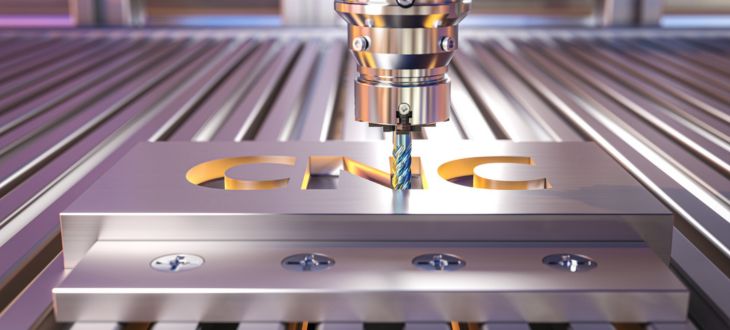
CNC (Computer Numerical Control) machining has transformed modern manufacturing by delivering unmatched precision, efficiency, and scalability. From aerospace components to everyday consumer products, CNC machines are essential for producing high-quality parts across a wide range of industries.
In this guide, we’ll provide a brief overview of CNC machining, explore the most common types of CNC machines, and explain how each one is used.
Before choosing the right machine, it’s also helpful to understand the differences between CNC and manual machining, especially when deciding between automation and hands-on production.
Types of CNC Machines at a Glance
Machine Type |
Primary Material |
Best For |
| CNC Milling Machines | Metals, plastics | Complex parts, molds, precision work |
| CNC Lathes | Metals, plastics | Cylindrical / symmetrical (turned) parts |
| CNC Routers | Wood, plastic, soft metals | Large sheets, signage, cabinetry |
| CNC Plasma Cutters | Steel, aluminum | Thick metal cutting, fabrication |
| CNC Laser Cutters | Metal, wood, plastic | Intricate designs, engraving |
| CNC EDM Machines | Conductive metals | Hard materials, precision molds |
| CNC Grinding Machines | Metals | Finishing, tight tolerances |
| CNC Drilling Machines | Metals, plastics | Precise, repetitive hole-making |
| 5-Axis CNC Machines | Various | Complex geometries, multi-angle machining |
What Is CNC Machining?
CNC machining is a manufacturing process where pre-programmed computer software controls the movement of machinery and tools. Instead of manual operation, machinists input instructions (G-code), which guide the machine in cutting, shaping, drilling, or milling materials.
Key Benefits of CNC Machining
- High precision and repeatability
- Faster production speeds
- Reduced human error
- Ability to create complex geometries
- Scalable for large production runs
Related: 10 Advantages and Benefits of CNC Machining
9 Types of CNC Machines
1. CNC Milling Machines
CNC milling machines are among the most versatile types of CNC machines, especially for working with dense materials like metal blocks.
How They Work:
The machine moves rotating cutting tools along multiple axes to remove material from a stationary workpiece.
Common Uses:
- Cutting slots and holes
- Producing molds and dies
- Creating complex geometries
👉 Unlike routers, milling machines are typically used for smaller, denser materials, making them ideal for precision metal components.
2. CNC Lathes (Turning Machines)
CNC lathes are used to produce symmetrical or “turned” parts, where the material rotates during machining.
How They Work:
The workpiece spins at high speed while a stationary cutting tool shapes it.
Common Uses:
- Shafts
- Bushings
- Cylindrical components
These machines are highly efficient for producing consistent round parts at scale.
3. CNC Routers
CNC routers are designed for cutting softer materials and handling larger work areas.
How They Work:
A cutting tool moves across a large flat bed to shape sheet materials.
Common Uses:
- Cabinetry and furniture
- Signage
- Plastic and wood panels
👉 Routers typically have a larger bed size, making them ideal for full sheets of plywood, plastic, or composite materials—unlike milling machines, which focus on smaller, thicker materials.
4. CNC Plasma Cutters
CNC plasma cutters are designed for cutting electrically conductive metals using a high-temperature plasma arc.
How They Work: A plasma torch melts the material while compressed gas removes the molten metal.
Common Uses:
- Steel plate cutting
- Structural fabrication
- Industrial metalwork
This is one of the most efficient ways to prepare large steel plates for construction and fabrication, a service Tampa Steel & Supply specializes in. We take pride in offering Custom Designs and Quick Turnaround for industrial metalwork, making us a key partner for heavy-duty projects that need to stay on schedule without sacrificing precision.
5. CNC Laser Cutters
CNC laser cutters use a focused beam of light to cut or engrave materials with high precision.
How They Work:
A laser beam melts or vaporizes material along a programmed path.
Common Uses:
- Detailed designs
- Engraving
- Thin material cutting
Laser cutters are ideal for projects that require clean edges and intricate detail.
6. CNC Electrical Discharge Machines (EDM)
EDM machines use electrical sparks to remove material, making them ideal for extremely hard metals.
How They Work:
An electrical discharge erodes material without direct contact.
Common Uses:
- Mold and die making
- Precision components
- Complex geometries
👉 Important: EDM only works on electrically conductive materials, making it unsuitable for materials like ceramics or certain plastics.
7. CNC Grinding Machines
CNC grinding machines are used for high-precision finishing.
How They Work:
A rotating abrasive wheel removes small amounts of material to refine the surface.
Common Uses:
- Surface finishing
- Tool sharpening
- Tight tolerance components
These machines are often used as the final step in production.
8. CNC Drilling Machines
CNC drilling machines specialize in precise hole creation.
How They Work:
Rotating drill bits create holes at programmed depths and positions.
Common Uses:
- Assembly components
- Structural parts
- Repetitive drilling tasks
They are highly efficient for large-scale production requiring consistent hole placement.
9. 5-Axis CNC Machines
5-axis CNC machines are among the most advanced and flexible systems available.
How They Work:
These machines move along the X, Y, and Z axes while also rotating along two additional axes, allowing for multi-angle machining in a single setup.
Common Uses:
- Aerospace components
- Medical implants
- Complex engineering parts
👉 This capability allows for fewer setups, improved accuracy, and the ability to create highly intricate designs.
Choosing the Right Type of CNC Machine
Selecting the right CNC machine depends on:
- Material type
- Part complexity
- Production volume
- Budget
- Precision requirements
In many cases, manufacturers use multiple CNC machines throughout different stages of production.
Applications of CNC Machines Across Industries
CNC machining supports a wide range of industries:
- Aerospace: High-precision components
- Automotive: Engine and structural parts
- Construction: Steel fabrication
- Medical: Implants and surgical tools
- Manufacturing: Prototyping and mass production
Making the Right Choice for Your CNC Needs
With so many different types of CNC machines available, the best choice depends on your specific project goals. Some machines are built for speed and volume, while others are designed for precision and complexity.
For example, milling machines and lathes are ideal for production environments, while EDM and 5-axis machines are better suited for highly detailed work. Routers and plasma cutters, on the other hand, excel in handling larger materials and fabrication tasks.
Many manufacturers combine multiple CNC processes—from initial cutting to final finishing—to achieve the best results. By understanding the strengths of each machine, you can improve efficiency, reduce waste, and produce higher-quality components.
Visit Tampa Steel & Supply for CNC Machining and Quality Metals
If you’re interested in CNC machining and plasma cutting, the dedicated team at Tampa Steel & Supply can help bring your designs to life. Stop by our warehouse or reach out today for a quote—we’re here to help you turn your vision into reality.
We offer a full range of high-quality services and stock an extensive selection of steel products for projects of all sizes. With nearly four decades of experience, Tampa Steel & Supply is proud to be a trusted partner for reliable materials and expert support.
Have questions? Contact our team to learn more, visit our showroom, or get started today.
Inquire for a custom quote online or call Tampa Steel & Supply at (813) 241-2801.