
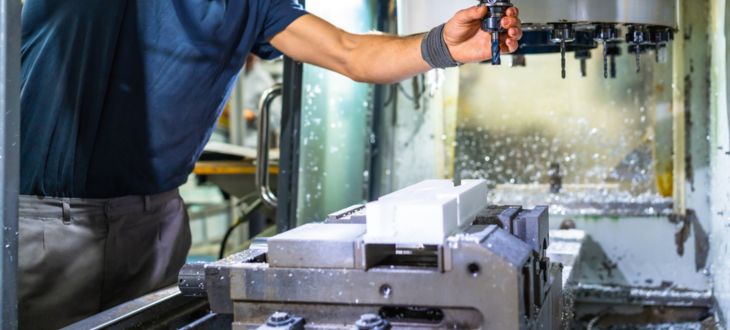
In the modern manufacturing landscape, the trio of precision, accuracy, and efficiency sits at the top of every project manager’s priority list. As global supply chains demand faster turnaround times and tighter tolerances, traditional manual machining methods have largely transitioned into the specialized realm of craftsmanship, making way for Computer Numerical Control (CNC) machining.
Whether you are an aerospace engineer, a local metal artist, or a fleet manager, understanding the benefits of CNC machining is essential. This automated powerhouse has revolutionized how we think about metal fabrication. At Tampa Steel & Supply, we’ve seen firsthand how this technology transforms raw materials into intricate, high-performance components.
What is CNC Machining?
CNC machining is an advanced manufacturing process that uses computers to control machine tools like drills, lathes, mills, and grinders. Unlike traditional methods, CNC machining involves the use of pre-programmed software to guide the machines, allowing for high precision and automation.
CNC machining is used to create parts and components from a variety of materials, including metals, plastics, and composites. With CNC machining, designers and engineers can create complex shapes and intricate details with minimal human intervention, significantly reducing the risk of errors and increasing overall production efficiency.
10 Advantages and Benefits of CNC Machining
CNC machining offers numerous advantages that make it a game-changer for industries ranging from automotive to aerospace. Let’s take a closer look at the key benefits:
1. Increased Precision and Accuracy
One of the most significant benefits of CNC machining is its ability to produce parts with exceptional precision. These machines execute extremely fine adjustments to tool positioning, ensuring every component adheres to exact specifications.
This level of precision minimizes the risk of defects and ensures seamless assembly—a critical requirement in high-stakes industries like aerospace, medical device manufacturing, and electronics. By reducing the need for manual checks and post-process corrections, CNC machining streamlines quality control and maximizes consistency. In fact, many modern machines consistently achieve tolerances within 0.001 inches, a level of repeatability that is virtually impossible to maintain manually over an extended production run.
2. Cost-Effectiveness Over Time
Although the initial investment in CNC machines may be high, the long-term benefits result in significant cost savings. Automation and precision mean less material waste, fewer errors, and reduced labor costs.
Additionally, because CNC machines can operate continuously and require minimal downtime for maintenance, they increase productivity, enabling manufacturers to meet tight deadlines without compromising quality. The efficient use of resources and the ability to streamline production processes contribute to the overall cost-effectiveness of CNC machining, especially when compared to the rising costs of manual labor and material waste.
3. Reduced Human Error
Manual machining processes are often subject to human error, whether it’s due to operator fatigue, miscalculations, or inconsistencies in technique. CNC machining eliminates this issue by relying on computer software to control the machines.
Once the design is programmed, the machine follows the instructions precisely without the potential for mistakes. This reduction in human error not only improves the quality of the final product but also minimizes costly rework and delays in the production process. For high-stakes projects using prime steel products, reducing the “scrap rate” is essential for staying under budget.
4. Complexity in Design and Manufacturing
CNC machining allows manufacturers to create highly complex and intricate parts that would be difficult or impossible to achieve using manual techniques. Advanced CNC machines, such as 5-axis mills, can cut, drill, mill, and shape materials with remarkable precision, enabling the production of detailed geometries and multiple surface finishes.
This flexibility is a key benefit, especially in industries that demand intricate designs, such as decorative metal art or specialized automotive components.
5. High Efficiency and Speed
When it comes to production speed, CNC machining offers a substantial advantage over traditional machining methods. Once the design is programmed into the machine, it can continue working around the clock, producing parts quickly and with minimal downtime.
In addition, the machines are capable of making multiple cuts, adjustments, and operations in one pass, which significantly speeds up the overall manufacturing process. This increased speed is particularly valuable in industries where time-to-market is a critical competitive factor.
6. Flexibility in Material Use
Another major benefit of CNC machining is its ability to handle a wide variety of materials. Whether it’s metals like stainless steel, aluminum, and brass, or even plastics and composites, CNC machines can be programmed to work with almost any material used in manufacturing.
This versatility makes CNC machining a popular choice in industries with diverse material requirements. The ability to work with a broad range of materials also means that manufacturers can easily adapt to changing production needs without investing in new machinery or retooling processes.
7. Consistency and Repeatability
Once a CNC machine is programmed, it can reproduce the same part consistently with minimal variation. This high level of repeatability ensures that manufacturers can produce large volumes of identical parts without compromising quality.
Whether you need one part or 10,000, CNC machining guarantees consistency throughout the production process. The ability to maintain this consistency is a critical advantage for industries that rely on high-volume manufacturing, such as the automotive or consumer electronics sectors. If a part needs to be replaced years later, the digital file ensures the replacement is a perfect match.
8. Automation and Reduced Labor Requirements
The automation capabilities of CNC machining significantly reduce the need for manual labor. After the initial setup and programming, CNC machines can operate with minimal human intervention.
This reduction in labor requirements not only lowers manufacturing costs but also reduces the likelihood of workplace injuries associated with manual machining. Automation also allows operators to oversee multiple machines at once, improving overall production efficiency and allowing the human workforce to focus on custom fabrication design and quality assurance.
9. Customization and Rapid Prototyping
CNC machining allows for quick alterations and adjustments to designs, making it an excellent choice for prototyping and product development. Manufacturers can easily create custom parts and test designs in a matter of hours, rather than days or weeks.
This rapid prototyping capability helps reduce time to market and allows companies to fine-tune their products before moving on to full-scale production. The flexibility of CNC machining means that manufacturers can respond quickly to customer demands or changes in design specifications.
10. Improved Safety
Lastly, the benefits of CNC machining extend to workplace safety. Because CNC machines are automated and require minimal human interaction, the risk of operator injury is drastically reduced.
In traditional machining processes, operators must handle dangerous tools and materials, increasing the chances of accidents. CNC machines, on the other hand, are often enclosed in protective housings and are operated via computer control, keeping operators at a safe distance from potentially hazardous equipment. Additionally, automated processes help prevent repetitive strain injuries, which are common in manual machining tasks.
Discover the Full Potential of CNC Machining
The benefits of CNC machining are vast and varied, making it an indispensable tool for modern manufacturing. From increased precision and reduced human error to cost-effectiveness and design flexibility, CNC machining has transformed industries by improving both production quality and efficiency. Its ability to handle complex designs, work with various materials, and provide repeatable results makes it a preferred choice for companies looking to stay competitive in today’s fast-paced market.
Whether you’re working on a small-scale prototype, a large-scale mass production, or even a metal art or signage project, the benefits of CNC machining will undoubtedly play a significant role in your manufacturing success. As technology continues to advance, CNC machining will remain at the forefront of innovation in the manufacturing world, driving efficiency and precision in countless industries.
Visit Tampa Steel & Supply and Realize the Benefits of CNC Machining
Are you ready to harness the power of CNC machining and plasma cutting? The skilled team at Tampa Steel & Supply is here to bring your designs to life! Visit our warehouse or contact us today for a quote, and we’ll help you through every step of the process.
We offer a broad selection of premium services and keep a large inventory of steel products to meet the needs of any project. With decades of experience, Tampa Steel & Supply is prepared to handle all your steel needs. Have any questions? Reach out to us to learn more or stop by our impressive Tampa showroom!
Request a Quote Online Or Call Tampa Steel & Supply at (813) 241-2801.